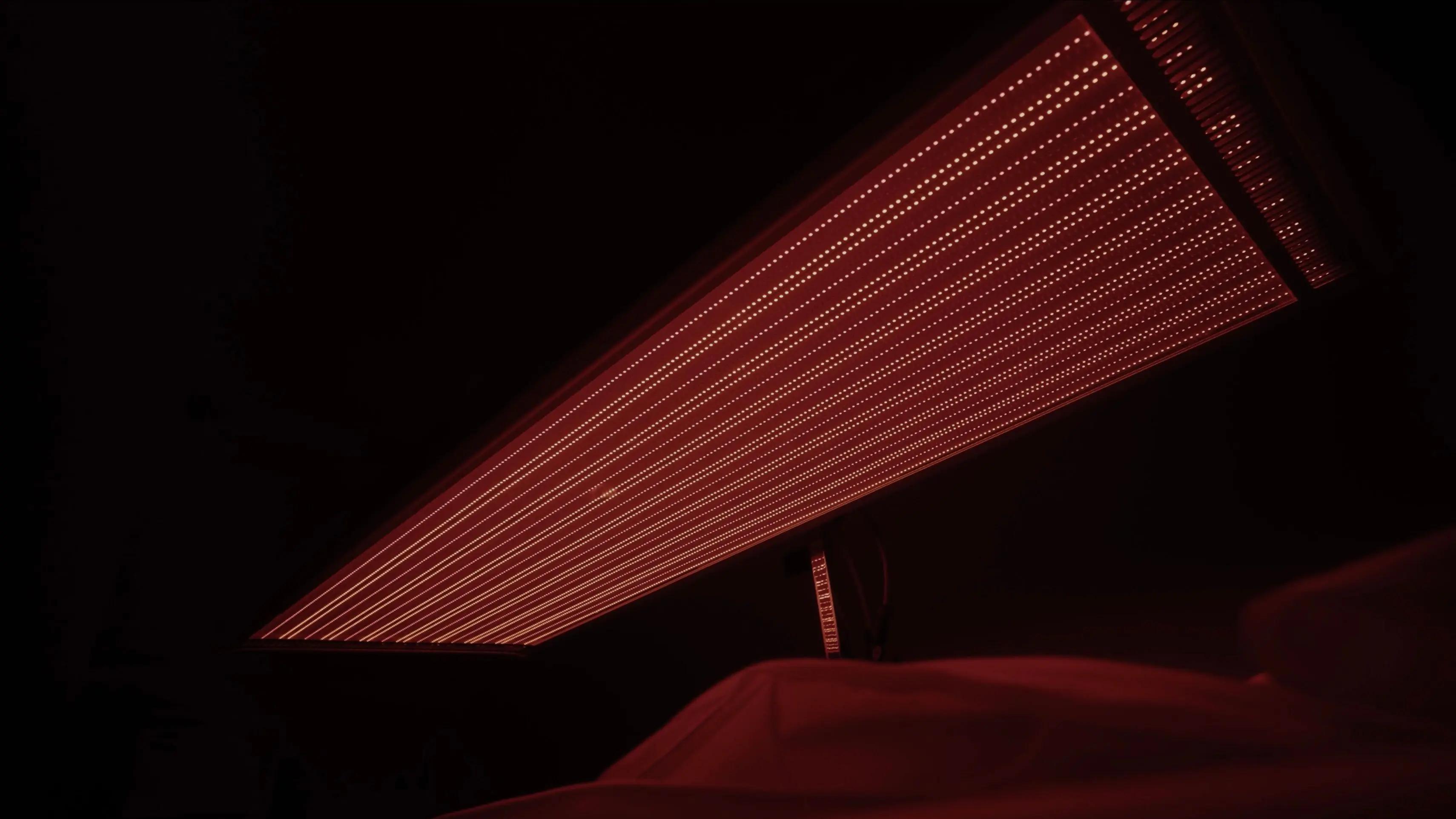
In a short time, red light therapy has gone from a niche treatment to a sought-after standard in gyms, clinics, spas, and hotels. This interest is no passing fad. However, there is a difference between "red light therapy" and "red light therapy." The gap between various types of equipment and protocols is wider than most realize, and it is precisely this difference that determines whether a business will continue to ride the wave of hype or lose customers to competitors who get it right.
1. The hype is built on real research – but only for certain wavelengths
There is a growing body of scientific evidence for red light therapy today, but the research is tied to specific wavelength ranges, primarily red light around 630–660 nanometers and near-infrared light (NIR) around 810–850 and 940 nanometers. Light outside these ranges simply does not have the same documented effect at the cellular level. This means that "red light" as a marketing term is loosely defined, while the actual effect depends on whether the equipment stays within the correct range.
2. Dosage is key – and more is not always better
Many believe that more powerful light automatically yields better results. The reality is more nuanced. Red light therapy follows a so-called biphasic dose-response relationship: too low a dose provides no effect, but too high a dose can actually counteract the desired response. What determines the correct dose is the combination of irradiance (light intensity, measured in mW/cm²) and exposure time, which together provide the total energy dose (J/cm²). Equipment without controlled and uniform irradiance makes it difficult to stay within the window where the effect actually occurs.
3. Uniform coverage is just as important as light intensity
A common flaw in low-cost equipment is uneven light distribution – some areas receive too high a dose, while others receive almost none. High-quality systems are built to deliver uniform irradiance across the entire treatment area, often with full-body or 360° coverage, precisely to avoid this type of inconsistency. This is one of the reasons why the number of LED lights and their placement matter more than many realize.
4. Certification is not a formality – it is a quality filter
Professional red light equipment should be certified according to standards such as CE, ISO, and IEC/EN 62471. These certifications ensure that the light's intensity and safety are independently verified, unlike consumer products where data on wavelength and irradiance can rarely be confirmed. For businesses offering the treatment commercially, this is a vital part of being able to stand behind what you sell.
5. The hype is here to stay – but it will separate the winners from the losers
As more businesses offer red light therapy, customers are becoming more knowledgeable. They are starting to ask about wavelength, dosage, and certification, just as they already do with skincare and supplements. This means the hype will likely persist for a long time, but it will increasingly favor businesses that can demonstrate they offer the right kind of red light therapy, rather than those just jumping on the trend with underpowered equipment.
Lyfe Nordic works exclusively with red light equipment that meets these requirements for wavelength, irradiance, and certification. Do you want to find out how your business can implement red light therapy the right way? Book a free consultation with us below.


%20(9).webp)
Time for an upgrade?
Scandinavia's trusted partner for world-leading recovery and longevity technologies.