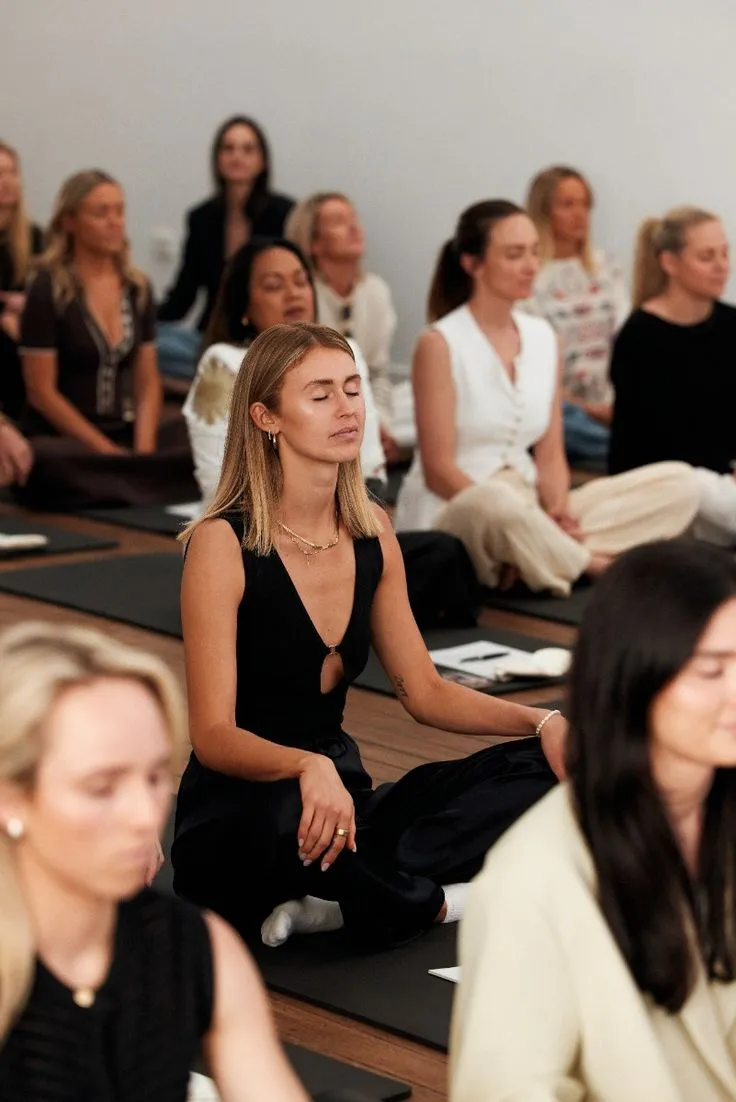
For a long time, longevity has been associated with the number of years lived. Now, there is a clear shift in the industry toward a different metric: healthspan—the number of years actually spent in good health, free from serious illness and disability. This shift has concrete consequences for how leading employers think about workplace health.
From longevity to healthspan
Longevity has long been a promise of more years. But more years is not the same as better years. The industry is now moving toward healthspan as the true goal—that is, how many of those years can actually be lived with maintained function, energy, and independence. It is a shift that has significance far beyond clinics and health centers, not least in the workplace.
Why employers are starting to build around healthspan
Leading organizations are increasingly integrating health into how work is actually designed, rather than offering isolated initiatives on the side. The focus is on the physiological systems shared across multiple health areas: cognitive function, the musculoskeletal system, metabolism, and the nervous system that governs recovery and stress management. By strengthening these common foundational functions, the impact of individual efforts can reinforce one another instead of operating in isolation.
The background is partly demographic. Working lives are being extended, and organizations that build health into their structure are better equipped for continuity in leadership and expertise over longer periods. According to the Global Wellness Institute's 2026 trend report this is described as a shift from individual health initiatives to health being built in as part of the organization's core structure. Healthspan has therefore gone from being a personal health goal to becoming part of how businesses think about risk and long-term capability.
What this means for the workplace health offering
This shift places new demands on the types of initiatives that actually make a difference. Occasional health benefits, disconnected from daily life, are rarely enough to fundamentally influence healthspan. What is needed instead are initiatives that can contribute to recovery and function over time, integrated into an environment where employees actually spend their time on a regular basis.
Recovery technology such as light therapy, hyperbaric oxygen therapy and cryotherapy can serve a clear function here, as part of a broader structure rather than an isolated benefit. They can contribute to recovery, mobility, and stress management, which are precisely the physiological systems that underpin the healthspan mindset. A concrete example is how a unified Corporate Wellness Lounge concept can bring together several such technologies in one single workplace.
A shift that is already underway
It is no longer about waiting for a future trend to emerge. The Global Wellness Summit's annual trend report identifies longevity as one of the most significant shifts in the wellness industry right now, with healthspan at the core of that transition. The question for businesses in corporate health, hospitality, and clinical practice is how well their current offerings are designed to support more healthy years, not just more years.
Read more
- Global Wellness Institute: Workplace Wellbeing Initiative Trends for 2026
- Global Wellness Summit: The Future of Wellness, 2026 Trends
%20(9).webp)
Time for an upgrade?
Scandinavia's trusted partner for world-leading recovery and longevity technologies.